Health and Safety Policy — Tooting Skip Hire
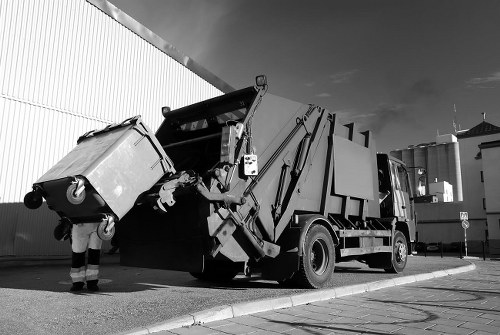 Tooting Skip Hire is committed to maintaining the highest standards of health and safety across all skip hire and rubbish removal activities. This policy outlines responsibilities, safe working practices, risk controls and review arrangements that apply to all staff, contractors and any third parties working with the skip hire company. The aim is to prevent injury, protect health and ensure safe, compliant waste handling and disposal throughout our service area.
Our policy applies to all aspects of skip hire, delivery and collection, site-based waste transfer and associated rubbish company operations. It covers manual handling, vehicle movements, site setups, hazardous waste segregation and interactions with members of the public. While tailored for a skip hire business operating in the local service area, this document avoids specific local legal listings and instead focuses on universally applicable safety standards and obligations.
 The policy is founded on compliance with applicable legislation and recognised industry standards for waste management and commercial skip hire. The company will: identify hazards; assess and control risks; maintain equipment; and ensure that competent personnel carry out tasks. All employees must follow safe systems of work, report hazards, and cooperate with managers to maintain a safe working environment.
Responsibilities and Management Structure
Management is responsible for implementing this Health and Safety Policy by providing resources, training and supervision. Line managers and supervisors must ensure that safe systems are followed on every job, including site risk assessments before skip placement, safe loading practices and ensuring vehicles are roadworthy. Employees are expected to work safely, use provided personal protective equipment, and communicate any concerns without delay.
 As a skip hire and rubbish removal provider, we recognise specific hazards such as manual handling of bulky waste, falls from height when loading skips, struck-by incidents during vehicle manoeuvres and exposure to hazardous materials. Controls include safe lifting techniques, use of mechanical aids, exclusion zones during collections, and segregation of hazardous items at source.
The policy sets out clear roles: directors set strategic direction and resource allocation; supervisors implement procedures and monitor compliance; workers follow procedures and participate in training. Contractors and sub-contractors must demonstrate competency, follow our safety rules and report incidents promptly. This structure ensures accountability and continuous improvement across the skip hire operation.
Risk Control Measures and Safe Systems
Operational risk management is integral to every skip hire job. Before a delivery or collection the assigned operative will perform a site assessment to confirm safe access, adequate space for vehicle manoeuvring and to identify nearby public hazards. Where resident or public safety could be affected, we implement traffic control measures, signage and exclusion zones to minimise risk during rubbish removal and skip placement.
 Key control measures include:
- Pre-task risk assessments to identify hazards and required controls.
- Safe lifting and handling, with mechanical aids used for heavy or awkward loads.
- Vehicle safety checks and secure load procedures before transit.
- Segregation of hazardous waste and clear instructions on prohibited items.
- Clear communication and use of warnings or cones where public exposure is possible.
 Training, monitoring and review processes support these controls. All operatives receive induction training on skip hire safety, regular refreshers on manual handling and vehicle operations, and task-specific briefings. We also provide personal protective equipment appropriate to the task, and require its correct use. Supervisors conduct spot checks and recorded inspections to verify compliance with safety procedures.
Incident reporting and investigation are taken seriously. Any accident, near miss or reportable occurrence will be recorded, investigated and used to inform corrective actions. Where an event reveals gaps in controls or training, the company will implement remedial measures, update procedures and communicate lessons learned to staff. This proactive approach reduces recurrence and promotes a safer working culture.
Performance is monitored through audits, inspection records and regular management reviews. The directors will review this Health and Safety Policy at defined intervals and after significant incidents, to ensure it remains effective and aligned with operational changes in skip hire and rubbish collection activities. Continuous improvement is a core principle, supported by measurable targets and corrective actions.
The company emphasises a collaborative safety culture: employees are encouraged to raise concerns and suggest improvements. All parties are expected to share responsibility for safety, from planning and logistics to on-site conduct during waste collection and disposal. This approach ensures that the skip hire business operates safely for staff, contractors and the public while delivering effective rubbish and waste management services.
In conclusion, Tooting Skip Hire commits to maintaining a robust health and safety framework that covers skip hire, rubbish removal and associated operations. Through clear responsibilities, practical risk controls, ongoing training and rigorous monitoring, the company will manage hazards effectively and strive for continuous improvement in safety performance across its service area.