Upper Tooting Road bulky rubbish collection local guide
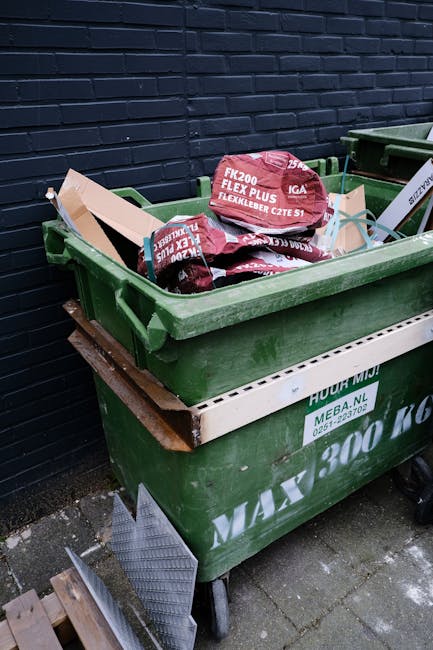
If you are dealing with an old sofa, a broken wardrobe, a stack of builders' offcuts, or a loft full of "I'll sort that later" items, this Upper Tooting Road bulky rubbish collection local guide is for you. The job can look simple at first glance, then suddenly become awkward: the item is too heavy, the pavement is tight, parking is limited, and now you are wondering whether a skip, a wait-and-load service, or a full rubbish removal visit makes the most sense. Sound familiar?
This guide walks through the practical side of bulky waste collection on and around Upper Tooting Road, with clear advice on planning, access, disposal choices, common mistakes, and the small details that make the difference between a smooth job and a frustrating one. You will also find useful internal references to services such as rubbish removal, domestic skip hire, and wait-and-load skip hire where they fit naturally.
Let's face it: bulky rubbish is rarely just bulky. It is often awkward, dusty, a bit heavier than expected, and usually in the one room you were hoping to ignore until Sunday. A good plan saves time, protects your property, and helps make sure the waste is handled properly.
Why Upper Tooting Road bulky rubbish collection local guide Matters
Upper Tooting Road sits in a part of London where everyday logistics matter. That sounds obvious, but it changes the waste game quite a bit. Narrow access, on-street parking pressure, neighbours close by, and busy traffic all affect how bulky rubbish can be collected. A large item is easy to underestimate until you try shifting it through a hallway or down a front step with no room to turn.
This is why a local guide is useful. It helps you match the waste to the right collection method instead of guessing. For example, a single mattress might be simple, while a mixed pile of furniture, bags, and renovation waste could be better suited to a larger removal or a skip-based approach. If you are already comparing options, browsing skip hire and man and van can clarify what each route is best for.
It also matters because bulky waste is not just about getting rid of things quickly. It is about doing it safely and responsibly. Items may contain timber, metal, foam, fabric, glass, electrical parts, or even restricted materials. Sorting them properly helps avoid unnecessary delays and extra costs, and it supports better recycling outcomes too.
Practical takeaway: the right bulky rubbish collection choice is usually the one that fits your access, your volume, your timing, and the type of waste you have. Not the biggest option. Not the cheapest on paper. The right fit.
There is also the simple reality of time. If the item has been sitting in a hallway for three weeks, or a renovation pile is starting to sprawl across a drive, the sooner you remove it, the easier the whole space becomes to use again. You notice the difference straight away. More room, less clutter, less low-level stress.
How Upper Tooting Road bulky rubbish collection local guide Works
Bulky rubbish collection usually follows one of a few practical routes. The choice depends on volume, access, and how quickly you need the space cleared. On Upper Tooting Road, where access and parking can matter just as much as the waste itself, this decision is worth thinking through before you book anything.
First, identify the waste type. Is it household bulky waste such as wardrobes, beds, or soft seating? Is it mixed rubbish from a clear-out? Or is it heavier material from refurbishment work? A household pile and a builders' pile are not handled in exactly the same way, and that distinction matters when you are planning collection.
Next, assess access. Ask yourself a few plain questions: can a vehicle stop close enough? Is there space for loading? Will the items need to be carried through the property? Is there a lift, a driveway, or only street access? These details influence whether wait-and-load skip hire, a skip, or a direct collection is more practical.
Then think about timing. If you need the waste gone in one visit, a fast collection option may be better than waiting for a skip to be filled over several days. If the job is part of a longer project, a skip may suit you better. For jobs with tight schedules, same-day skip hire can be a helpful option where availability allows.
Finally, check what can and cannot be included. Bulky waste often mixes with odd extras: an old lamp, a cable box, a broken appliance, half a tin of paint tucked behind a shelf. That is where a careful service selection matters. If you are unsure, the page on what can go in a skip is a sensible starting point, even if you end up choosing another method.
Key Benefits and Practical Advantages
When bulky waste is handled properly, the benefits are immediate and very obvious. You get your space back. You reduce trip hazards. You remove the visual clutter that makes a room feel half-finished. And, frankly, you stop walking around that chair you keep pretending you will repair one day.
- Cleaner space quickly: bulky items disappear in one planned move instead of lingering for weeks.
- Safer movement around the property: fewer obstacles in hallways, drives, front gardens, and stairwells.
- Better access for work: ideal before decorating, moving house, or starting a renovation.
- More suitable disposal: recyclable materials can be separated more easily when collection is organised well.
- Less stress: no need to improvise with borrowed vans, random lifting, or awkward weekend trips.
There is another benefit people do not always mention. A proper collection plan often reduces damage risk. A scratched wall, a broken step edge, or a dented hallway banister can cost more than the removal itself. Using a service matched to the job can be a sensible insurance policy in practical terms.
For businesses, landlords, and managing agents, the advantages are even clearer. Fast turnaround, less disruption for tenants or staff, and a tidier site all help. If the waste is from ongoing operations rather than one-off clear-outs, services such as commercial skip hire or office clearance may make more sense than ad hoc loading.
Who This Is For and When It Makes Sense
This guide is useful for homeowners, renters, landlords, letting agents, tradespeople, office managers, and anyone else who has a pile of hard-to-move waste to deal with. That sounds broad because it is broad. Bulky rubbish is one of those problems that turns up in lots of different forms.
It makes sense when you have items that are too large for normal wheelie-bin disposal, too awkward to carry in a standard car, or too mixed to handle with a simple trip to the tip. Typical examples include sofas, mattresses, broken shelving, dismantled wardrobes, shed panels, flooring offcuts, packaging from large deliveries, and old appliances.
If you are clearing out a loft or garage, a combined approach often works best. For example, if you have a few bulky household items plus smaller mixed waste, a garage and loft clearance or house clearance may be more efficient than trying to piece everything together yourself. That is especially true when the pile has grown over time and is not neatly sorted. Most piles are not neat, to be fair.
Tradespeople and contractors have their own version of the same problem. Builders' rubble, old timber, plasterboard, and packaging can all accumulate quickly. In those cases, look at builders skip hire or construction waste disposal for a better fit.
If your waste includes delicate, private, or potentially harmful items, then the decision becomes even more specific. Documents, fridges, old electronics, or any material that needs special handling should be separated early. You do not want a last-minute scramble with a fridge at the kerbside and nowhere to put it. Not ideal.
Step-by-Step Guidance
A methodical process usually produces the cleanest result. Here is a practical way to think it through before booking a collection.
- List the items. Write down everything you want removed. Include the awkward extras, not just the big headline items.
- Separate waste types. Put bulky furniture, general rubbish, wood, metal, electrical items, and hazardous materials into rough groups.
- Measure access. Check gate widths, driveway space, front steps, and whether a vehicle can stop nearby without causing a problem.
- Decide on the service type. Choose between skip-based options, wait-and-load, direct removal, or a vehicle-assisted collection.
- Check for restricted items. If anything is hazardous, confidential, or regulated, set it aside and ask for guidance.
- Prepare the area. Move smaller items out of the way, protect floors if items need to be carried through the property, and make loading easier.
- Confirm the timing. Make sure the collection window works for you and for anyone else affected by the job.
- Review disposal expectations. A responsible provider should aim to divert suitable material for recycling where possible.
One useful trick: create a "load first" corner. Put everything you know is definitely going so it can be seen at a glance. That tiny bit of organisation can save a surprising amount of time on the day. If you are using a skip, the same idea applies. Load the heaviest, flattest items first, then work upwards carefully.
If the job feels larger than expected, it usually is. People regularly underestimate loft contents, garden clearances, and garage corners. We have all seen the box that is somehow full of cables from three different decades. Strange how that happens.
Expert Tips for Better Results
After enough waste jobs, a pattern emerges. The smooth ones are almost always the ones where the customer thought ahead by ten minutes. Here are the habits that help most.
- Be honest about the volume: if the pile is bigger than it looks, say so early. It saves awkward rebooking.
- Keep access clear: even a tidy front path can make a big difference when heavy items need moving.
- Separate special items: appliances, mattresses, confidential papers, and potentially hazardous waste should not be left to the last minute.
- Take a quick photo: pictures help when describing the load, especially if you are comparing service options.
- Think about the weather: a wet day can make cardboard, fabric, and some furniture more awkward than expected.
Another small but important point: do not block your own route. It sounds silly until you are carrying a heavy item and discover the hallway has been turned into a temporary storage tunnel. Keep the exit path open, keep children and pets away, and avoid stacking unstable items higher than you can safely manage.
If you expect the waste to include lockable or private material, consider whether an enclosed solution is more suitable. An enclosed and lockable skip hire option can be useful where security matters, while confidential shredding is the cleaner choice for paper records. Different problem, different answer. Simple as that.
For mixed waste from a home refurbishment, it can also help to compare builders waste removal and builders skip hire. One is better for instant uplift and less on-site clutter; the other can be better for ongoing work. That choice matters more than people think.
Common Mistakes to Avoid
The most common mistakes are predictable, which is actually useful. If you know them in advance, you can dodge them without much effort.
- Choosing the wrong method: a skip is not always the answer, and a direct collection is not always enough.
- Underestimating weight: old furniture, wet timber, broken appliances, and mixed building waste are often heavier than expected.
- Ignoring access issues: tight streets, parking restrictions, and awkward entry points can change the whole plan.
- Mixing prohibited items in: hazardous materials and certain electricals need separate handling.
- Leaving the load unprepared: if everything is still scattered around the property, loading takes longer and can become messy.
A quieter mistake is not thinking about how the rubbish will be broken down for disposal. Large furniture can often be dismantled, and mixed materials can be separated, but only if someone actually plans for it. That is where waste recycling services come in as part of a broader approach.
Another issue is timing. Leaving bulky waste outside too early can create a nuisance, attract unwanted attention, or simply get in the way of neighbours. Timing the collection properly keeps things smoother for everyone nearby.
Tools, Resources and Recommendations
You do not need special kit to manage bulky rubbish well, but a few basic tools make life easier. Think gloves, a tape measure, sturdy bags, a marker pen, and a phone camera. That is often enough for planning. If the job is larger, a trolley, sack truck, or furniture straps can help, but only if you know how to use them safely.
Recommended planning resources on the site include skip sizes and prices, which can help you gauge capacity, and pricing and quotes, which is useful when you want a clearer sense of budget before booking. If your priority is speed, same-day skip hire and book online are practical pages to check.
If the bulk of your load is from a household clear-out, domestic and clearance pages may be more relevant than a general waste option. For example, a big family downsizing project may fit house clearance, while a post-renovation garage sort-out may be better paired with garage and loft clearance. The more closely the service matches the job, the better the outcome tends to be.
For heavier material and site work, the more technical pages are worth a look too. Depending on the task, grab hire services, grab lorry hire, muck away services, or site clearance may fit better than a domestic-style collection.
Law, Compliance, Standards, or Best Practice
For bulky waste, the main thing is to stay on the right side of safe and responsible disposal practice. In the UK, waste should be handled by people who are permitted and equipped to do so, and you should be cautious about anyone offering suspiciously cheap removal with no clarity on where the waste ends up.
From a practical best-practice point of view, keep these principles in mind:
- Do not include hazardous materials unless the service explicitly accepts them.
- Keep a clear record of what has been removed if the waste is linked to a tenancy, business, or refurbishment project.
- Check whether the collection method suits the location, especially if a permit or roadside placement may be needed.
- Prioritise providers that explain sorting, recycling, and disposal clearly.
Where a skip is placed on public land or a public road, permit considerations may apply. If that is likely, the pages on skip hire permits and skip permits are worth reviewing so you know what to expect. The exact requirements can vary depending on location and the nature of the placement, so it is best to confirm before the day.
Health and safety also matters. Heavy lifting, sharp edges, splinters, and unstable furniture are all normal risks in a bulky waste job. The site's health and safety policy and insurance and safety information give useful signals about how seriously a provider treats those issues. Not glamorous reading, perhaps, but useful reading.
If you want a sense of how the business approaches responsible operation more broadly, recycling and sustainability, about us, and terms and conditions are all sensible reference points.
Options, Methods, or Comparison Table
Different bulky rubbish jobs call for different methods. Here is a straightforward comparison to help you choose the most suitable approach for an Upper Tooting Road collection.
| Method | Best for | Strengths | Possible drawbacks |
|---|---|---|---|
| Rubbish removal | Single collections, mixed bulky items, quick clear-outs | Fast, simple, less disruption | May be less suitable for gradual loading over several days |
| Skip hire | Ongoing projects, renovations, repeated loading | Flexible, good for steady waste generation | Needs space and may require a permit or placement planning |
| Wait-and-load | Areas with limited parking or no room for a skip | Useful where street space is tight, efficient on the day | Items need to be ready for quick loading |
| Man and van | Household clear-outs, mixed bulky loads, lighter access needs | Flexible, hands-on, good for awkward items | Not ideal for larger site waste or very heavy volumes |
| Grab hire | Heavier waste, larger volumes, site material | Efficient pickup for bulkier loads | Needs space for vehicle access and a suitable loading area |
If you are not sure which line to take, start with the access question. Access is often the deciding factor on Upper Tooting Road more than anything else. Then move to waste type, then timing. In that order, usually.
Case Study or Real-World Example
Here is a realistic example. A household on Upper Tooting Road clears out a spare room before new tenants move in. The room contains an old double bed, a broken chest of drawers, two office chairs, some boxed clutter, and a small appliance that no longer works. At first glance, it looks like a quick job. Then the team notices the front access is tight, the street parking is limited, and the bed frame will need dismantling before it can be moved safely.
Instead of forcing everything into one poor choice, the job is split into manageable decisions. The furniture is separated from the small mixed waste. The appliance is placed aside for correct handling. A collection method is chosen that suits the space available, and the loading path is cleared before anything heavy is moved. The result? Faster removal, less wall scuffing, fewer delays, and a room that is ready much sooner than if the items had been left to pile up.
That kind of outcome is common, and it is usually not because of luck. It is because someone took five minutes to think it through properly. Honest five minutes. Not dramatic, but effective.
A similar pattern applies to small refurbishment work. For instance, if you are replacing units, removing old shelving, and clearing packaging as you go, a builders-style solution is often better than trying to make do with random car trips. Pairing the right method with the actual job keeps the site tidier and the work moving.
Practical Checklist
Use this checklist before arranging bulky rubbish collection on or near Upper Tooting Road.
- List every item that needs removing.
- Separate bulky waste from hazardous or confidential items.
- Measure access points, steps, gates, and parking space.
- Decide whether the job is better suited to skip hire, removal, wait-and-load, or grab hire.
- Check whether a permit might be needed for roadside placement.
- Take photos if you want help comparing options accurately.
- Make sure the collection area is clear and safe to walk through.
- Protect floors and walls if items need to be carried through the property.
- Confirm any restricted items in advance.
- Review pricing, payment, and booking details before confirming.
Quick sense-check: if you can say exactly what needs removing, where it is, and how easy it is to reach, you are already halfway to a smoother collection.
Get a free quote today and see how much you can save.
Conclusion
Upper Tooting Road bulky rubbish collection is easiest when you treat it as a planning problem rather than a lifting problem. Once you match the waste type to the right method, check access properly, and keep the load organised, the whole job becomes less stressful and far more efficient.
Whether you need a one-off bulky item removal, a house or garage clear-out, or a larger project solution, the best approach is the one that keeps you safe, keeps the area tidy, and gets the waste handled responsibly. That is the real aim here. Not just "gone", but gone properly.
If you are ready to move ahead, compare the relevant options, choose the collection method that fits your space, and take the next step with confidence. A cluttered room can become a usable room again sooner than you think. And that feels good, doesn't it?
Frequently Asked Questions
What counts as bulky rubbish on Upper Tooting Road?
Bulky rubbish usually means items that are too large, awkward, or heavy for normal household disposal. Common examples include sofas, mattresses, wardrobes, tables, chairs, shelving, and broken household goods. Larger mixed clear-out waste may also count if it cannot be handled in standard bins.
Is skip hire better than rubbish removal for bulky items?
It depends on the job. Skip hire is often better for ongoing projects or if you want to load waste over time. Rubbish removal is often better for fast one-off clearances, especially when access is tight or you want items lifted away in one visit.
Do I need a permit for a skip near Upper Tooting Road?
You may need one if the skip is placed on a public road or another area that is not private property. The exact requirement depends on placement and local conditions, so it is wise to check the relevant permit guidance before booking.
Can I put furniture and mattresses in the same collection?
Usually yes, but the exact acceptance depends on the service and how the load is being handled. Mattresses and sofas often need to be separated for better sorting and disposal, which is why it helps to confirm in advance rather than guessing.
What if I only have one or two large items?
For one or two items, a direct bulky waste collection or man and van style service can be more practical than hiring a full skip. You save on space, avoid over-ordering capacity, and keep the whole process simple.
How should I prepare bulky rubbish before collection?
Clear a route, separate any restricted items, and group similar waste together. If possible, dismantle large furniture into smaller parts and move loose items into one accessible area. It makes loading easier and usually quicker too.
What items need special handling?
Hazardous materials, confidential documents, fridges, appliances, and some electrical items often need separate handling. If you are not sure, treat them as special items and check before mixing them with the main load.
Is same-day bulky waste collection realistic?
Sometimes, yes, depending on availability, access, and the size of the load. Same-day options are usually best for urgent clearances where the waste is ready to go and the job is straightforward.
How do I know whether I need a skip or a grab hire service?
If you have a steady flow of waste and space to place a skip, skip hire may be the better fit. If the waste is heavy, loose, or bulky and you want a quicker mechanical pickup, grab hire can be more efficient.
Can bulky rubbish be recycled?
Often, yes. Many bulky items contain recyclable materials such as metal, wood, and certain plastics. The more the waste is separated before collection, the easier it is to sort and divert suitable material for recycling.
What is the safest way to move large furniture out of a property?
Use two people where possible, keep the path clear, lift carefully, and avoid forcing items through narrow spaces. If the furniture is too heavy or awkward, it is safer to use a professional collection method than to risk damage or injury.
Where can I find more information about booking and payment?
Useful starting points are book online, payment and security, and contact us. Those pages help with next steps, payment confidence, and getting in touch if you need something clarified before booking.