Practical Money-Saving Solutions for Bulky Waste Item Disposal
Bulky waste disposal often presents homeowners and businesses alike with a challenging dilemma: how do you responsibly and economically remove large, unwanted items from your property? From outdated furniture to broken appliances, bulky waste items can accumulate and quickly take up valuable space. Fortunately, there are a range of affordable, eco-friendly ways to dispose of these items without breaking the bank. This comprehensive guide will walk you through money-saving solutions for bulky item disposal, empowering you to clear out clutter efficiently, legally, and sustainably.
Understanding Bulky Waste Items
Before pinpointing the most cost-effective disposal solutions, it's important to clarify what counts as bulky waste. These are items too large or heavy for regular curbside trash collection, including:
- Sofas, mattresses, and armchairs
- Large appliances like refrigerators, ovens, and washing machines
- Exercise equipment
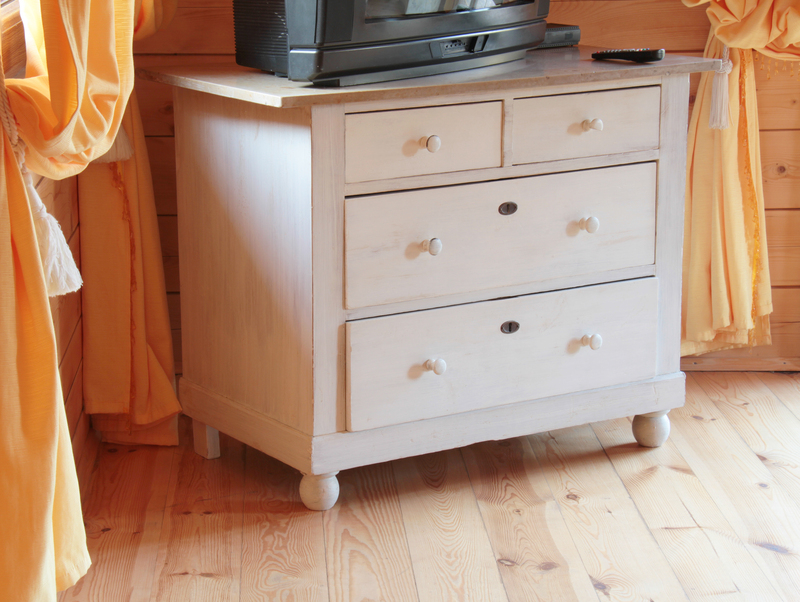
- Disused cabinets, wardrobes, or shelving units
- Outdoor furniture and garden waste
- Carpets and rugs
Proper bulky waste removal not only helps maintain cleanliness and safety but can also contribute positively to the environment when done responsibly.
Why Proper Bulky Waste Disposal Matters
Improper disposal of large waste items can result in:
- Environmental hazards from harmful materials or non-biodegradable components
- Pest infestations and health risks
- Legal penalties and fines from illegal dumping
- Negative community impact and reduced property values
Finding the right money-saving solutions for bulky waste disposal is not merely an act of decluttering, but a responsible approach to waste management.
Smart, Budget-Friendly Methods for Bulky Waste Item Disposal
1. Utilize Municipal Collection Services
Many local councils and municipalities offer free or low-cost bulky waste collection services. This is one of the most straightforward ways to dispose of large items such as furniture, mattresses, and white goods. Steps include:
- Check your municipality's website for scheduled collection dates and accepted items.
- Register for a pick-up--this often involves booking ahead.
- Prepare your items according to specific guidelines (such as removing doors from refrigerators or separating electronic waste).
Maximize savings by grouping items together for collection, and sharing collection slots with neighbors whenever possible.
2. Recycle or Upcycle Bulky Waste
Recycling is a cost-effective and sustainable solution for many large waste items. Many communities now provide recycling centers or drop-off points for items like:
- Metal appliances (often accepted at scrap yards)
- Clean mattresses (in collaboration with mattress recycling organizations)
- Wooden furniture and fixtures
- Consumer electronics
Pro tip: Upcycling is not only environmentally friendly but can also save or even make you money. Transform old items into chic home decor, garden furniture, or donate to local art projects. Numerous tutorials online demonstrate creative ways to give bulky waste new life, reducing the quantity sent to landfill.
3. Donate Usable Items
Charitable organizations, shelters, and thrift stores often accept large items in good condition. By donating, you:
- Help your community
- Prevent usable items from ending up in landfills
- May qualify for tax deductions (where applicable)
Before donating: Ensure items are clean, safe, and free from major defects. Some charities offer free collection, further reducing your disposal costs.
Popular donation destinations include:
- The Salvation Army
- Goodwill
- Habitat for Humanity ReStores
- Local shelters and non-profits
4. Sell or Give Away Bulky Items Online
Thanks to online marketplaces, disposing of bulky waste doesn't always mean sending it to the dump. Consider:
- Freecycle or Buy Nothing groups for giving away items locally
- Facebook Marketplace, Craigslist, or OfferUp for selling or gifting furniture, appliances, or equipment
- Community message boards or neighborhood apps for localized exchanges
Benefits: You might earn extra cash, save on disposal fees and help others find what they need.
5. Take Advantage of Retailer Take-back Programs
Many appliance retailers now offer removal services for old items upon delivery of a new purchase. Stores like Best Buy, IKEA, and Lowe's have take-back programs for recycling and disposal. While these sometimes come with a nominal fee, it's typically lower than hiring independent disposal services.
Tip: Always inquire about this service when purchasing a replacement item to maximize your savings.
6. Rent a Skip Bin or Dumpster--But Share the Cost
When faced with a large cleanout, renting a dumpster or skip bin can be efficient but potentially costly. Cut down on expenses by sharing the rental with neighbors or friends conducting their own cleanouts. Distribute the cost based on the share of space each person uses. This collaborative approach dramatically reduces your outlay compared to hiring a bin on your own.
7. Dismantle and Downsize Items for Easier Disposal
Many waste management services charge based on the size and bulk of items. Reduce the volume by dismantling furniture (remove legs, backs, or arms from sofas; break down shelving units). Smaller pieces are often accepted in standard trash, making your bulk disposal cost-effective--or even free.
Pro tip: Consider hosting a "deconstruction day" with friends or family to help cut down on labor costs.
8. Hire Man-with-a-Van or Local Hauling Services
Local "man with a van" services typically offer cheaper bulky waste disposal than national chains. They often charge by load or per item and are more flexible with scheduling. Vet providers for licenses and insurance, and ask for a clear quote upfront.
Bonus: These providers may also help with heavy lifting and item sorting, saving effort and potential injury.
Additional Practical Tips for Economical Bulky Waste Disposal
Timing is Everything
Plan your disposal around municipal collection dates or special neighborhood cleanups to avoid unnecessary fees. Some cities offer free annual pick-up events for bulky or hazardous waste. Scheduling your cleanout to coincide can save significant money.
Be Aware of Local Regulations
Familiarize yourself with municipal rules on curbside bulky item disposal, illegal dumping, and recycling requirements. Failure to comply can result in fines--making DIY disposal much more expensive in the long run.
- Some localities require stickers or tags for bulky pickups.
- Certain items (like mattresses or electronics) might have specific disposal protocols for safety or environmental reasons.
Always check official local government resources for up-to-date information.
Join or Organize a Community Swap or Bulk-Item Drop-off
Reduce your own disposal needs by participating in community swap meets, garage sales, or free drop-off days hosted by environmental organizations. Not only can you exchange items at no cost, but you also contribute to a sustainable, circular economy in your neighborhood.
Use Certified E-Waste Programs for Electronics
Old TVs, refrigerators, and computers require special handling. Seek out certified e-waste recyclers to dispose of electronics safely and sometimes free of charge. Many stores and tech brands sponsor periodic electronics recycling events.
Common Pitfalls to Avoid
- Dumping bulky items illegally: Can lead to hefty fines and environmental damage.
- Overlooking free or inexpensive programs: Research options before hiring expensive removal services.
- Poor item preparation: Failing to dismantle, clean, or separate materials can result in added fees or rejected pickups.
- Ignoring potential value: Giving away, selling, or upcycling can turn waste into opportunity.

Environmental Benefits of Responsible Bulky Waste Disposal
Choosing the right money-saving bulky waste disposal solution is not just about cost-saving--it's also about planetary health. Responsible bulk waste removal:
- Minimizes landfill usage
- Reduces emission of methane and hazardous chemicals
- Encourages recycling and reuse
- Supports local charities and community initiatives
Conclusion: Clearing the Clutter Without Emptying Your Wallet
Disposing of bulky waste items affordably is easier than ever when you leverage a mix of smart planning, community resources, and environmentally conscious choices. From municipal pickups and recycling programs to creative upcycling and community swaps, there are several practical, money-saving solutions for every scenario.
Remember--the most cost-effective method often blends several approaches: donate or sell what you can, recycle responsibly, and only pay for what you must. Stay informed about local regulations, collaborate with neighbors, and always consider the environmental legacy of your disposal choices.
Adopt these strategies for your next cleanout, enjoy a clutter-free space, and save money while protecting the planet!
Further Resources
- Your Local Council Website: For up-to-date bulky item collection policies
- National charity websites for donation guidelines
- Recycling and upcycling ideas on platforms like Pinterest or YouTube
- Community forums and social media groups for local swap information
Ready to tackle your clutter? Use these practical, money-saving solutions for bulky waste item disposal and take the first step to a cleaner, more organized, and sustainable life today!